

A quick scan is the easiest way to instantly know what is inside your food before you eat it. In a world filled with packaged and processed products, it is no longer enough to rely only on labels. They may be unclear, incomplete, or misleading. With the tool MyFoodChecker, families and individuals can use a fast food scan along with a product content checker to identify hidden allergens, additives, or substances that do not match their dietary needs.
Table of Contents
The Value of a Quick Scan
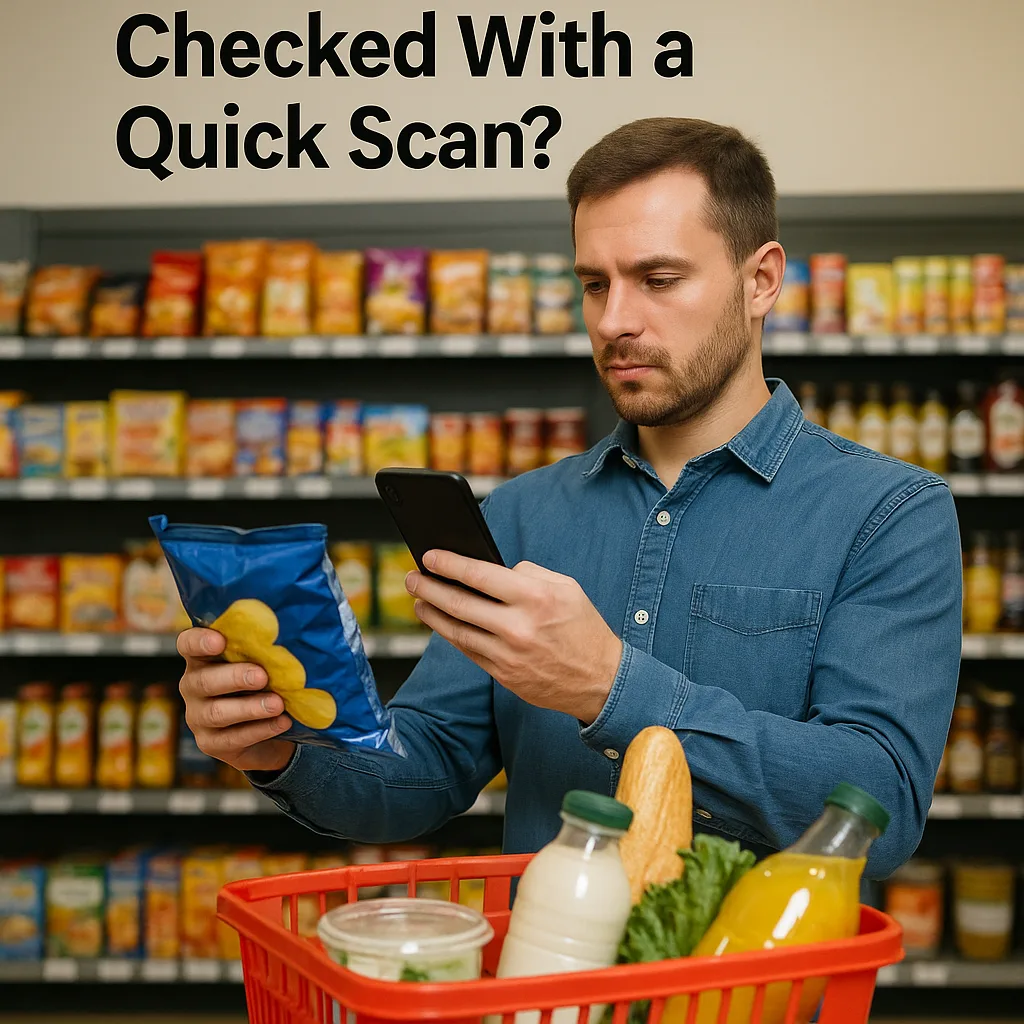
A fast food scan helps simplify the confusing world of packaged foods. Instead of reading tiny text or guessing unfamiliar ingredient names, people can instantly understand what is safe to eat. This process helps parents protect their children from allergens, supports individuals with food intolerances, and enables everyone to shop with confidence. Combined with a product content checker, it ensures every choice is safer and healthier.
Another essential benefit of scanning is the ability to save time. Grocery trips can become stressful when you need to read and decode every label. By using a fast food scan, shoppers avoid frustration and make decisions quickly. It also empowers consumers to take control of their diet and ensures consistency in maintaining health goals.
Foods That Should Always Be Checked With a Fast Food Scan
1. Packaged Snacks
Chips, cookies, and crackers may look harmless, but often contain excess sodium, sugar, and preservatives. A fast food scan reveals the truth in seconds.
2. Breakfast Cereals
Many cereals marketed as “healthy” hide large amounts of sugar and additives. Scanning them ensures you start your day with safer options.
3. Beverages and Juices
Fruit juices and flavored drinks may include artificial colors, sweeteners, and hidden calories. Checking them prevents unnecessary intake of unhealthy ingredients.
4. Frozen Foods
Pizza, fries, and ready-to-eat frozen meals often contain preservatives and excess fat. Scanning them helps make informed decisions.
5. Sauces and Condiments
Ketchup, mayonnaise, and salad dressings frequently contain hidden sugars and additives. A fast food scan gives clarity before adding them to your meals.
6. Protein Bars and Supplements
These products sometimes hide artificial sweeteners or allergens. Scanning ensures they match your dietary needs.
7. Packaged Breads
Bread may contain preservatives or ingredients not suitable for specific diets. Scanning helps pick healthier bakery options.
8. Dairy and Alternatives
Milk, yogurt, and plant-based alternatives can contain additives or hidden allergens. A scan ensures safety for those with sensitivities.
9. Canned Goods
Soups, beans, and vegetables in cans may have added salt or preservatives. Scanning avoids unnecessary intake.
10. Restaurant Takeaway Labels
Even restaurant meals with nutrition labels may hide details. Scanning helps you make better choices when eating out.
Expanding the Role of Scanning in Modern Eating
Beyond just groceries, scanning plays a vital role in lifestyle management. People with diabetes use a fast food scan to track sugar intake. Parents of children with peanut or gluten allergies rely on scanning to prevent dangerous mistakes. Fitness enthusiasts can also benefit by checking protein sources and ensuring supplements do not contain harmful fillers.
A fast food scan does not just protect against risks; it also supports smarter nutrition planning. By learning more about ingredients, consumers gradually build knowledge about healthy and unhealthy choices. This awareness leads to stronger habits and long-term well-being.
How a Product Content Checker Adds Value
A product content checker MyFoodChecker cross-checks product details with a trusted database. This ensures that hidden ingredients, allergens, or misleading claims are revealed instantly. By pairing the tool with a fast food scan, consumers can shop smarter and worry less about unhealthy or unsafe food choices.
It also helps families save money in the long run. By avoiding products with hidden unhealthy ingredients, households can reduce their medical risks associated with a poor diet. Over time, this translates to fewer doctor visits, a stronger immune system, and improved energy levels.
Pro Tips for Smarter Food Choices
- Scan Before You Buy – Always scan packaged foods to uncover hidden details.
- Check Allergen Risks – Use scanning to confirm products are safe for allergies.
- Look Beyond Marketing Labels – Ignore words like “natural” or “light” until scanned.
- Compare Products – Scan multiple options and pick the one with fewer additives.
- Save Safe Foods – Keep a list of foods that consistently meet your health needs.
- Teach Kids to Scan – Involve children in making safe food choices.
- Use Before Dining Out – Scan packaged restaurant items when available.
- Review Nutrient Levels – Focus on sugar, sodium, and preservatives.
- Avoid Over-Processed Foods – The more ingredients a product has, the more it needs to be scanned.
- Build Healthy Habits – Make scanning part of every shopping trip.
FAQs
How does a quick scan help in safe food choices?
A fast food scan instantly shows ingredient details that labels may hide. It helps prevent exposure to allergens, additives, or harmful substances. This makes grocery shopping less stressful and more reliable. With MyFoodChecker, the process is simple and effective.
Can I trust only labels when shopping for food?
Food labels often omit or conceal important details. While they are helpful, they may not give the full picture. Using an extra layer of clarity reduces risks. That is why scanning is always a smarter choice.
Which foods are most likely to hide harmful additives?
Packaged snacks, sauces, and frozen foods often contain preservatives or hidden sugars. Drinks and cereals also rank high in this category. Without checking, these foods can easily be mistaken for safe. Scanning avoids these mistakes.
Are scanning tools helpful for people with medical diets?
Yes, they are invaluable for people with diabetes, celiac disease, or allergies. They allow quick filtering of unsafe ingredients. This ensures diet plans are not broken. Scanning tools bring peace of mind to everyday eating.
How can scanning make shopping easier for families?
It saves time by giving instant clarity instead of reading long labels. Families can avoid stress when shopping with kids. It reduces the risks of buying unsafe foods. Over time, it builds healthier eating habits.
Conclusion
In today’s world, relying only on food labels is not enough. A quick scan helps uncover what is hidden inside products, ensuring families make confident choices. When combined with a trusted product content checker MyFoodChecker, safe eating becomes effortless. By making scanning a habit, every meal turns into an opportunity for better health and peace of mind.
Families, individuals, and communities benefit from this simple practice. It saves time, reduces risks, and encourages healthier lifestyles. With the help of technology, safe eating is no longer a complicated process. A fast food scan is all it takes to protect your health every day.
