

Food transparency app usage is rising because people want to know exactly what they are eating. With growing awareness about nutrition, safety, and sustainability, consumers are demanding more openness from food brands. Understanding where food comes from and how it is produced is no longer a luxury but a necessity for a healthier lifestyle.
In this blog, we will explore why food transparency has become vital today, how it connects with healthy eating, and what MyFoodChecker are doing to make this possible.
Table of Contents
The Role of a Food transparency app
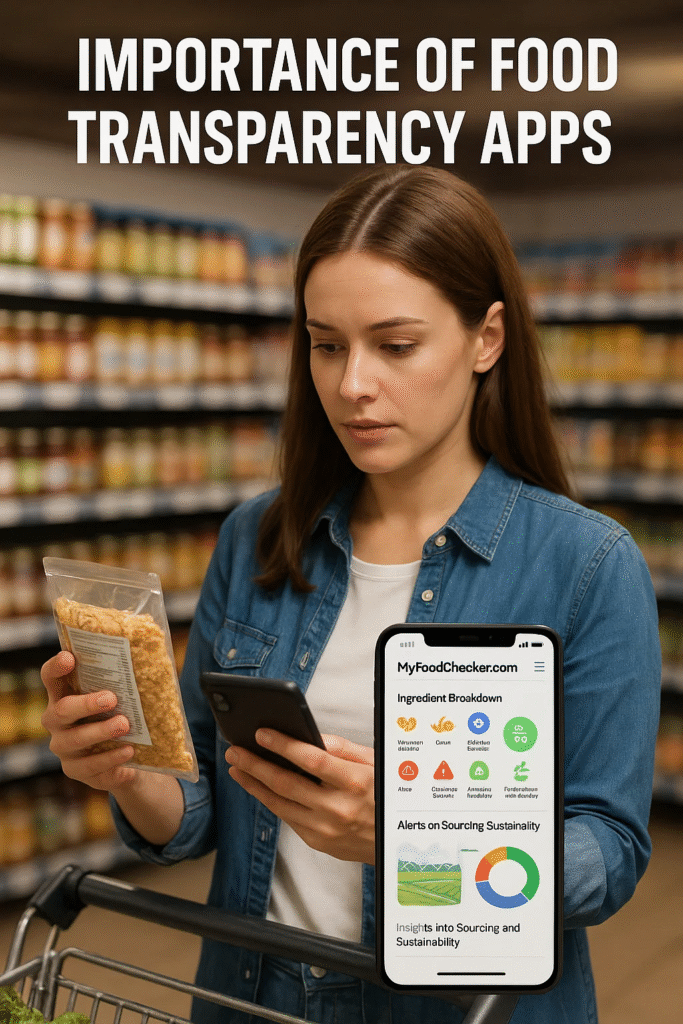
Modern consumers are tech-savvy. They do not just want glossy labels; they want verified information. This is where digital food tools become a bridge between consumers and brands. It provides:
- Ingredient breakdowns in simple terms
- Nutrition analysis for better food choices
- Alerts on allergens and additives
- Insights into sourcing and sustainability
Imagine scanning a product and instantly learning where its ingredients came from, whether it’s safe for kids, or how it affects the environment. That’s the power of MyFoodChecker. Such tools are no longer optional but essential for families aiming at healthy eating and informed decision-making.
Understanding Food Transparency
Food transparency means being open and honest about the journey of food from farm to table. It covers details such as:
- Ingredients used
- Source of raw materials
- Nutritional value
- Safety checks and certifications
- Impact on health and environment
For example, imagine buying a fruit juice that claims to be “100% natural.” Without transparency, you have no idea whether it contains added sugars, artificial flavors, or concentrates. But with verified information provided by MyFoodChecker, you can confirm if the juice is truly natural and aligns with your health needs.
Transparency removes guesswork, ensuring that consumers feel confident about their food choices.
Why Transparency Matters in Today’s World
The demand for transparency is being driven by several modern challenges:
- Health Concerns: With rising cases of obesity, diabetes, and lifestyle diseases, people want control over their diets. For example, knowing the exact sugar content in a drink can help a diabetic person avoid health risks.
- Allergy Awareness: Allergies are more common today than ever. A clear label or app alert can prevent dangerous health reactions.
- Sustainability: Many consumers now consider whether their food is eco-friendly. For instance, knowing if seafood is sustainably caught helps reduce overfishing.
- Consumer Trust: Brands that hide information quickly lose trust. On the other hand, companies that share details openly gain loyal customers.
- Food Fraud Prevention: Mislabeling is a global issue. Transparency tools reduce the chances of fake “organic” or “natural” claims.
Pro Tips for Practicing Food Transparency in Daily Life
- Read Labels Carefully
Do not just glance at packaging. Check for hidden sugars, preservatives, or additives that affect health. - Use Tools like MyFoodChecker.com
Leverage apps that simplify complex data and show whether food aligns with your lifestyle. - Prioritize Fresh and Local Produce
Buying locally reduces supply chain complexity and ensures fresher options. - Track Nutritional Value
Always balance calories with vitamins, proteins, and minerals to maintain energy. - Identify Allergen Risks
If you have allergies, make sure to check ingredients every time. Transparency apps can help track them. - Ask Questions in Restaurants
Do not hesitate to ask where ingredients are sourced or how food is cooked. Restaurants that are open about their sourcing often serve higher-quality meals. - Avoid Ultra-Processed Foods
The fewer the steps in processing, the more natural and healthier your food is likely to be. Ultra-processed snacks often hide salt, sugar, and fat content. - Support Transparent Brands
Choose brands that clearly share sourcing, safety, and nutrition information. Supporting them encourages more companies to follow the same practice. - Keep a Food Journal
Noting down what you eat helps you spot patterns and make healthier decisions. Over time, this helps identify foods that give energy versus those that drain it. - Educate Yourself and Family
Food transparency is not just personal. Teach kids and family members how to make smarter food choices. Small changes in awareness can shape lifelong habits of healthy eating.
Food Transparency and Healthy Eating
There is a direct link between transparency and better nutrition. When consumers know exactly what is in their meals, they can:
- Choose balanced diets that fuel their bodies.
- Avoid hidden sugars or excess sodium.
- Select foods that improve immunity and energy.
- Build eating patterns that prevent long-term health issues.
For example, a parent checking snacks for their child can easily avoid those with harmful artificial colors and instead choose nutrient-rich options. By using a trusted food transparency app, people can align their daily meals with their health goals.
The Future of Food Transparency
Food transparency is not just a passing trend; it is shaping the future of the food industry. Governments worldwide are implementing stricter labeling laws, and consumers are demanding more accountability. MyFoodChecker is leading the way by giving everyday shoppers tools to make smarter choices.
As awareness grows, transparency will likely become the standard. Companies that embrace it will thrive, while those that ignore it risk losing consumer trust. The result will be a healthier society where people make informed decisions with confidence.
FAQs
1. How does a food transparency app improve my daily food choices?
A digital nutrition tool gives you clear insights into ingredients, nutrition, and sourcing. It allows you to avoid harmful additives and align your meals with your health goals. Using MyFoodChecker makes this process simple and reliable.
2. What is the biggest challenge in achieving food transparency?
The biggest challenge is incomplete data from supply chains. Many food items pass through multiple hands before reaching consumers, making it difficult to track every detail.
3. How does food transparency benefit the environment?
Food transparency highlights sustainable sourcing and eco-friendly practices. This helps reduce waste, cut down carbon footprints, and promote responsible farming.
4. Can transparency prevent food fraud?
Yes. When companies disclose sourcing and testing openly, it reduces the chances of fake labeling or misrepresentation of ingredients.
5. How can I encourage my family to adopt food transparency?
Start small by showing them labels, using apps that track nutrition, and choosing simple fresh foods. Over time, these habits naturally lead to a healthier lifestyle.
Conclusion
Food transparency apps are no longer just a trend. It is a critical factor in making safe, sustainable, and healthy choices. With MyFoodChecker, consumers can check ingredients, nutrition, and sourcing with ease. By adopting food transparency, individuals not only ensure healthy eating but also support brands that are committed to honesty and wellness.
The next time you shop or dine, remember: knowing your food is the first step to living a healthier, more confident life.
