

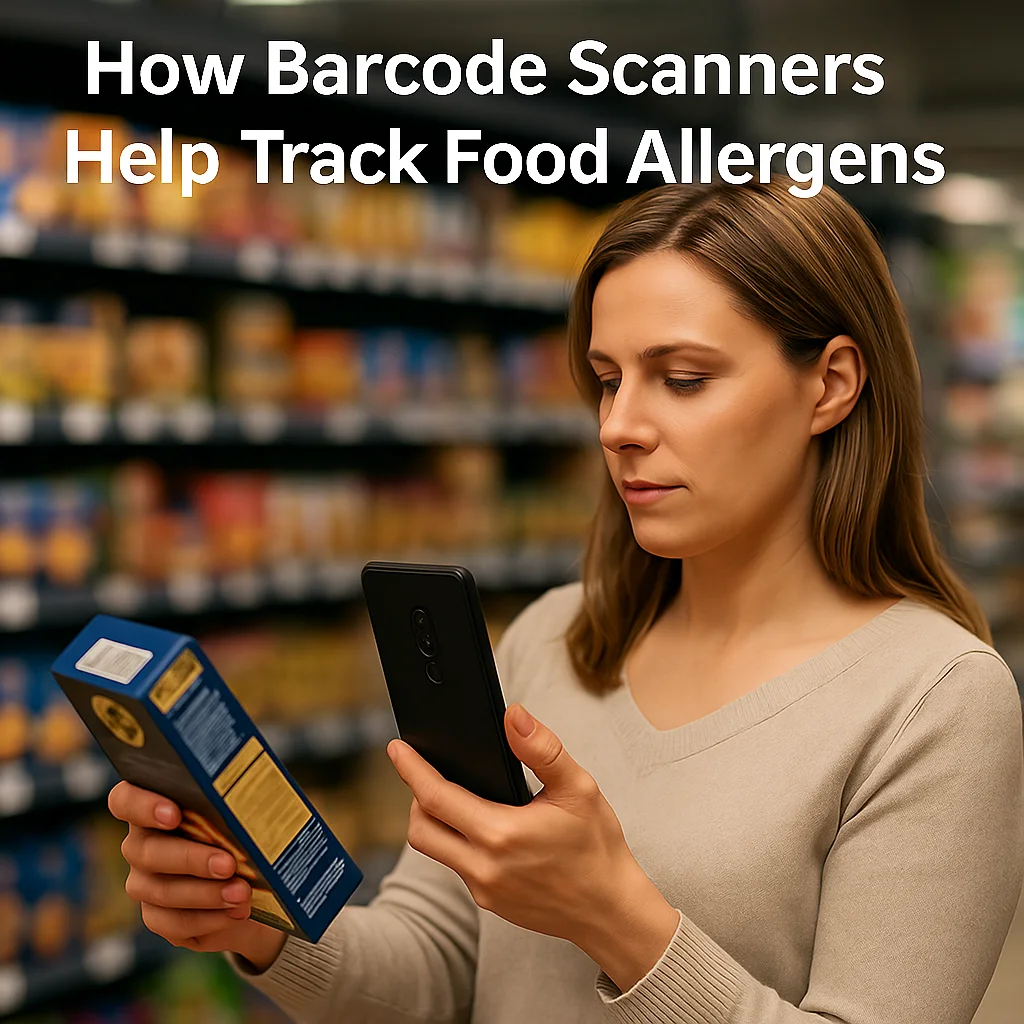
Barcode scanner technology is transforming the way people manage their food choices. With more families relying on packaged and ready-to-eat foods, the risk of hidden allergens has grown. A quick scan can provide instant ingredient analysis, helping individuals and families shop with safety and confidence. Combined with personalised allergy alerts, this tool allows people to enjoy food without constant worry about hidden dangers.
Table of Contents
How a Barcode Scanner Works for Food Safety
When a shopper scans a packaged food item with an innovative food scanner, the product’s code is instantly connected to a trusted database. The system displays the complete list of ingredients in plain terms. If any allergens match the user’s sensitivities, personalised allergy alerts are triggered immediately.
This quick process makes shopping safer, especially for families with children or individuals managing multiple allergies. It also helps when buying new brands, imported items, or products with complicated labeling. Instead of spending extra time analysing each label, shoppers get simple, accurate answers in seconds.
The Growing Challenge of Food Allergies
Food allergies affect millions worldwide, and the number of cases continues to rise. Busy lifestyles mean more people depend on processed or prepackaged meals, but these products often contain additives, preservatives, and flavor enhancers that may trigger allergies. Even small amounts of allergens can cause discomfort or life-threatening reactions.
Parents of children with severe allergies face extra stress, especially when shopping in a rush. One missed ingredient could lead to emergency situations. This is why instant and accurate detection has become an essential part of safe shopping.
Understanding Food Allergens and Their Risks
The most common allergens include peanuts, milk, wheat, soy, eggs, fish, and tree nuts. These allergens are often hidden under unfamiliar names. Gluten, for example, may appear in flavorings or thickening agents. Milk proteins can be classified as casein or whey, which are not always readily apparent to consumers.
This confusion makes label reading complicated, and mistakes are made. Scanning technology simplifies this process by decoding ingredients and clearly highlighting, giving shoppers the confidence to make informed choices.
Why Food Labeling Alone Is Not Enough
While food labels are designed to provide safety information, they can be challenging to understand. Small text, long chemical terms, and multiple languages make it hard to identify hidden allergens. On top of this, food companies can change recipes without warning.
For example, a snack that was safe a few months ago may suddenly contain traces of nuts due to a recipe change. Shoppers who rely only on memory or experience may face unexpected risks. A reliable scanning tool MyFoodChecker ensures you are constantly updated, regardless of how frequently ingredients change.
How a Smart Food Scanner Works for Food Safety
When a shopper scans a packaged food item with an innovative food scanner, the product’s code is instantly connected to a trusted database. The system displays the complete list of ingredients in plain terms. If any allergens match the user’s sensitivities, personalised allergy alerts are triggered immediately.
This quick process makes shopping safer, especially for families with children or individuals managing multiple allergies. It also helps when buying new brands, imported items, or products with complicated labeling. Instead of spending extra time analysing each label, shoppers get simple, accurate answers in seconds.
Benefits of Using Smart Food Scanner for Allergy Detection
- Provides instant allergen detection in seconds.
- Saves valuable shopping time.
- Reduces the stress of label reading.
- Offers customised allergen warnings for every family member.
- Helps parents shop safely for children with allergies.
- Makes buying imported or unfamiliar products safer.
- Prevents accidental exposure to hidden ingredients.
- Encourages healthier, more confident food choices.
Real-Life Scenarios Where Scanning Helps
- Grocery Shopping with Kids: Parents can scan snacks instantly, eliminating the need to search through lengthy ingredient lists.
- Traveling Abroad: Imported foods often have foreign labels. Scanning translates them into clear warnings.
- Dining Out: Many restaurants use prepackaged sauces or dressings. Scanning these items before eating adds an extra layer of safety.
- Busy Lifestyles: Shoppers rushing after work can save time by scanning instead of reading every label.
- Multi-Allergy Families: With profiles for each member, scanning alerts ensure no allergen is missed.
Pro Tips for Safer Food Shopping
1. Create a Personalised Profile
Register your allergens on MyFoodChecker. The scanner will instantly flag unsafe products.
2. Always Scan Before Buying
Even trusted brands may change ingredients. Make scanning a routine step.
3. Involve Your Children
Teach older children to use scanners so they learn independence and safety habits.
4. Pay Extra Attention to Imported Items
Foreign labeling can be misleading. Scanning gives instant clarity in your own language.
5. Check Packaged Items in Restaurants
Ask to see the packaging for sauces, seasonings, or desserts and scan them.
6. Share Safe Lists with Family Members
Save and share safe products so everyone in your household shops consistently.
7. Keep Updating Your Profile
Allergies can develop or change. Keep your preferences up to date for accurate alerts.
8. Scan Medicines and Supplements
Some tablets and supplements may contain gluten, lactose, or soy. Extend scanning beyond food.
9. Save Time with Favorites
Build a personalised safe-food library in your account for quicker shopping trips.
10. Use Scanning as a Learning Tool
Review your scan results to learn ingredient names and patterns. Over time, you’ll recognise allergens more easily.
FAQs
How does a barcode scanner help detect food allergens?
It reads product codes and compares them with a trusted database. The system then shows the ingredient list and provides personalised allergy alerts if allergens are detected. This makes food shopping a safe and stress-free experience.
Can scanning replace food labels?
No, labels are still important, but scanning makes the process faster by instantly highlighting allergens.
Are personalised alerts suitable for children?
Yes, parents can create specific profiles for their children. This ensures that all products are checked for their allergen content.
What if a product has no barcode?
If there is no barcode, scanning cannot be used. In such cases, carefully review the label before making a purchase.
Do food companies change recipes?
Yes, recipes often change. Scanning regularly ensures you are aware of new risks, even in familiar products.
Conclusion
Managing food allergies takes awareness, planning, and the right technology. The barcode scanner has become an essential tool for modern shoppers by detecting hidden allergens and simplifying the shopping process. Combined with personalised allergy alerts, it delivers tailored protection for individuals and families.
From helping parents buy safe snacks for kids to providing clarity on foreign foods, scanning ensures every shopping trip is safer. By making scanning a routine step, families can avoid risks, save time, and build confidence in their food choices. With MyFoodChecker, eating becomes less stressful and more enjoyable, bringing peace of mind with every meal.
